How VEE (Validation, Editing, and Estimation) Protects Utility Revenue
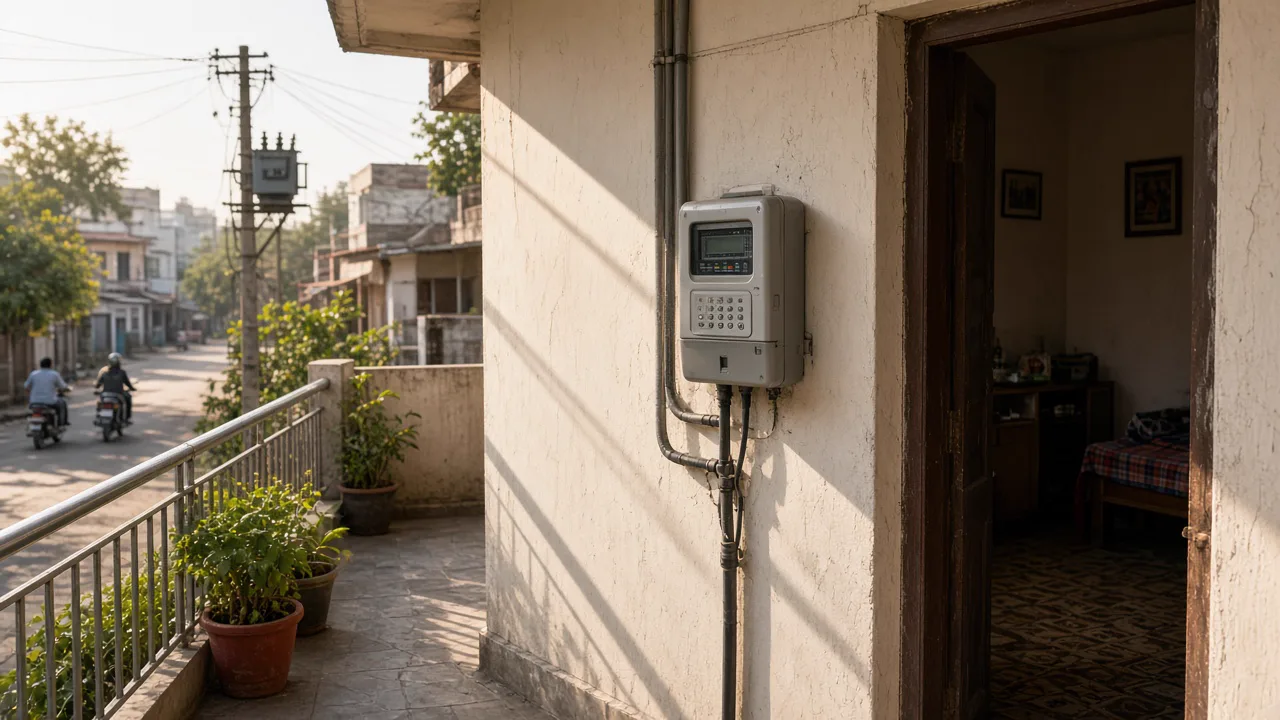
Smart meters pump out a massive amount of data, pushing interval load profiles and consumption metrics every 15 to 30 minutes. But anyone working in field operations knows a simple truth: field data is almost never perfect.

Network latency, cellular dead zones, hardware glitches, and physical tampering can all create gaps or corrupt data packets. If you feed that raw, unverified data directly into a Customer Information System (CIS), you end up with chaotic billing, angry customers, and massive revenue leakage. That is exactly why vee smart metering is the most important step in the meter-to-cash lifecycle.
How VEE Secures the Billing Cycle
VEE stands for Validation, Editing, and Estimation. It lives inside the utility's Meter Data Management System (MDMS) and acts as an automated tollbooth, scrubbing all inbound telemetry before it ever touches a customer's bill.
Meter Data Validation
The second data hits the MDMS, the validation engine checks it against configurable business rules. It instantly catches impossible scenarios—like negative consumption values, sudden usage spikes that defy the connection's physical load limit, or active commercial sites reporting zero usage. Proper meter data validation stops bad data dead in its tracks.
Editing with Accountability
When the validation engine flags corrupted data, it isolates those records for review. Billing analysts can manually or automatically edit the flagged intervals to correct the record. More importantly, enterprise software like Zenium logs an immutable audit trail for every single edit. If a regulator or auditor asks questions later, you have the exact history of who changed what, and why.
Seamless Estimation
Communication networks go down; it's unavoidable. But missing meter readings shouldn't stop the billing cycle. The estimation engine automatically calculates and fills in the missing intervals using highly accurate algorithms. It looks at the consumer's historical usage, seasonal baselines, or even peer meters on the same feeder line to reconstruct the missing data.
With strict VEE protocols in place, Zenium's MDMS ensures utilities only issue invoices based on accurate, cleansed billing determinants—protecting both the balance sheet and the utility's reputation.