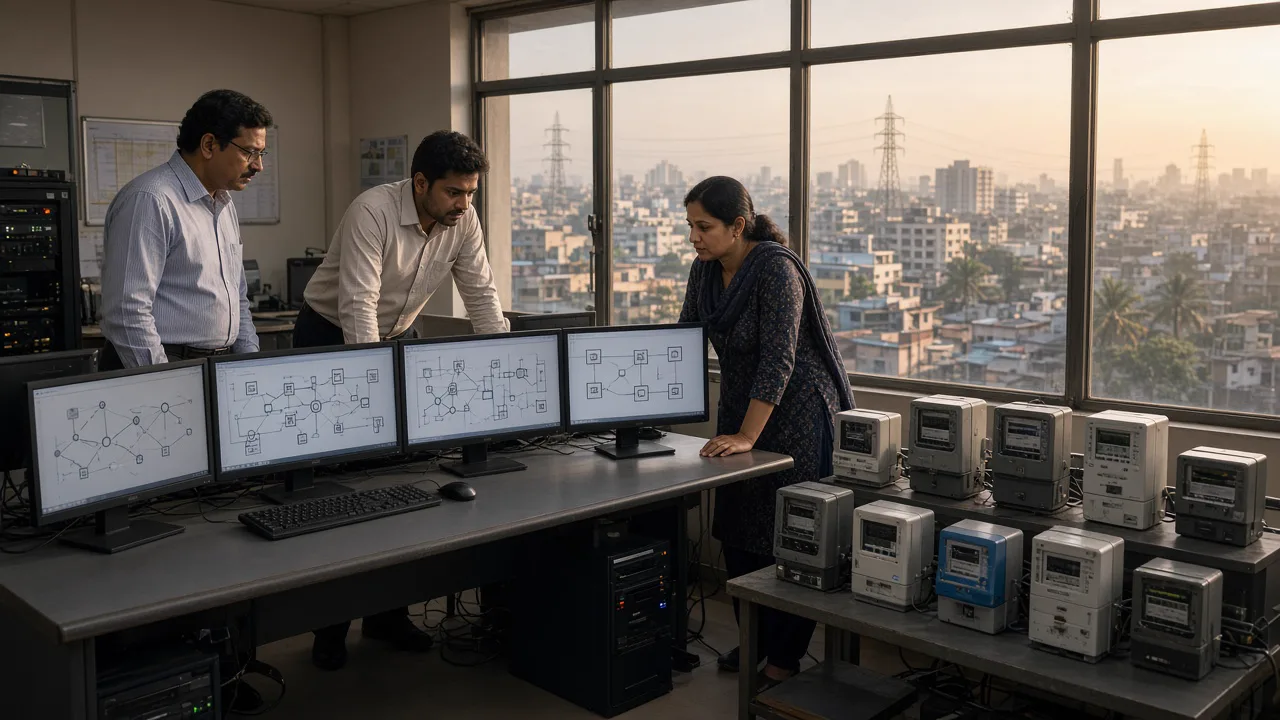

Prepaid Smart Metering: Solving Billing Challenges for Utilities
For years, electricity distribution utilities have been fighting a losing battle with postpaid billing. Manual meter reading delays, arguments over estimated bills, and the massive cost of chasing down arrears have drained utility cash flows.
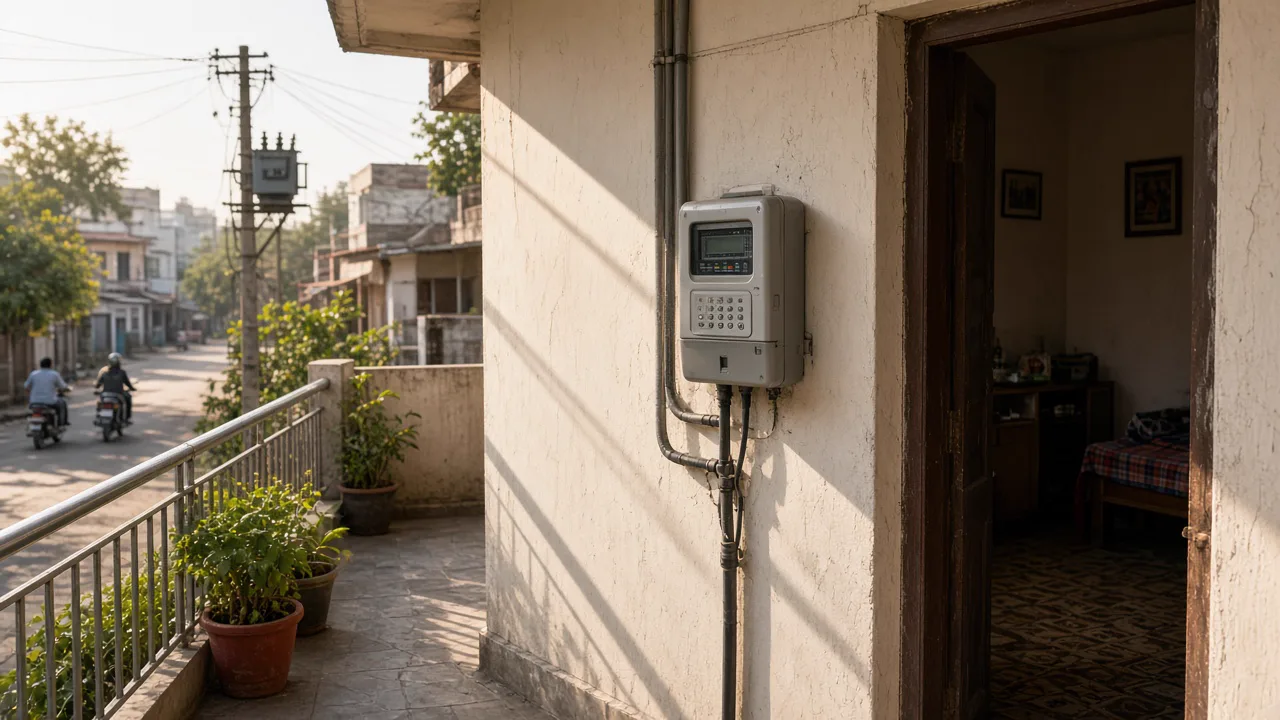
Smart meter prepayment flips the script completely. When consumers pay for energy before they use it, bad debt essentially drops to zero, and collection costs disappear. But running a prepaid model at a national scale requires a highly tuned software engine.
The Engine Behind the Meter
Modern smart prepayment doesn't rely on physical tokens or keypads on the meter itself. Today, the intelligence lives entirely in the cloud. The magic happens inside the prepaid smart metering mdms.
Here is how Zenium's software handles the heavy lifting:
Real-Time Balance Deductions
The MDMS pulls interval consumption data from the field via the Head-End System (HES). It applies the utility's exact tariff structures—factoring in complex Time-of-Use (TOU) rates, fixed charges, and taxes—and deducts the precise monetary value from the consumer's digital wallet on the fly.
Automated Low-Balance Alerts
Nobody wants their power cut off without warning. The MDMS ties directly into SMS gateways and consumer mobile apps. As a balance drops toward a predefined threshold, the system automatically fires off alerts, prompting the user to top up their account via standard digital payment platforms before the lights go out.
Touchless Disconnects and Reconnects
If a consumer's balance actually hits zero, the MDMS takes over. It autonomously generates a disconnect command and routes it through the HES directly to the smart meter's internal load switch. Power is cut instantly—no field technician required. Once the consumer recharges their account, the MDMS registers the payment and fires a reconnect command, restoring power in minutes.
By shifting the smart meter prepayment logic into a centralized MDMS, utilities lock in tariff accuracy, wipe out manual service costs, and finally build a predictable, healthy revenue cycle.