
Understanding the RDSS Scheme for Smart Metering Software
The Revamped Distribution Sector Scheme (RDSS) isn't just a government mandate—it's the biggest digital overhaul the Indian power sector has ever seen. The core goal is ambitious but necessary: drop Aggregate Technical and Commercial (AT&C) losses to 12–15% nationwide and finally close the revenue gap for DISCOMs.

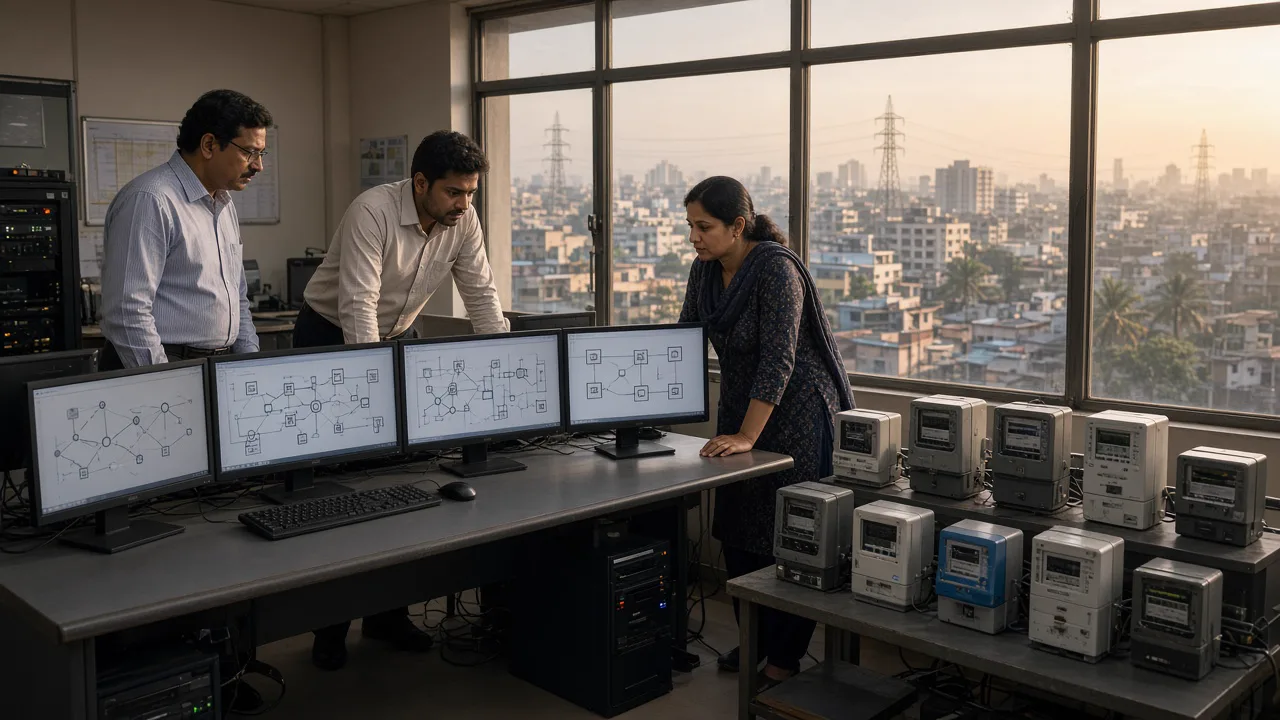
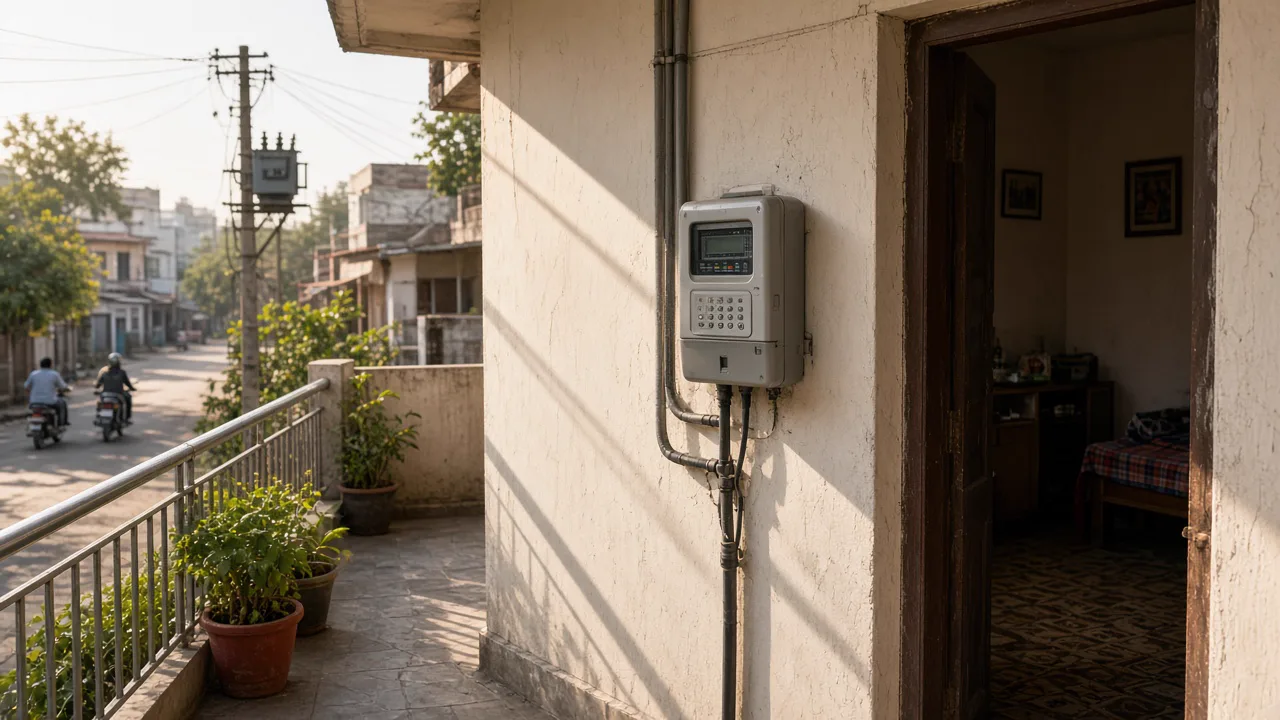
To pull this off, the scheme calls for 250 million prepaid smart meters by 2026, plus mandatory metering on all distribution transformers (DTs) and feeders. But putting physical rdss scheme smart meters on walls is only half the battle. The real success of this rollout depends entirely on the enterprise software—specifically the Head-End System (HES) and Meter Data Management System (MDMS)—that actually turns all that raw field data into grid intelligence and cash flow.
Why Software Makes or Breaks RDSS Compliance
RDSS projects operate on a TOTEX (Capital plus Operational expenditure) model. This means Advanced Metering Infrastructure Service Providers (AMISPs) only get paid if the system actually performs. If the network drops or billing data is flawed, revenue stops.
Here is how a pure-play software architecture like Zenium makes RDSS compliance work on the ground:
A Heavy Focus on Prepaid Metering
RDSS leans hard into the prepaid model. Zenium's MDMS handles this natively, tracking interval consumption against a consumer's account balance in near real-time. The moment a balance hits zero, the MDMS tells the HES to trigger a remote disconnect. No trucks rolled, no manual intervention, and no bad debt.
Automated Energy Accounting
You can't fix AT&C losses if you can't see them. Zenium software runs continuous energy accounting by comparing upstream distribution transformer check meters with the aggregate usage of the consumers downstream. This instantly exposes unmetered consumption, bypasses, and physical tampering.
Full AMI Interoperability
Meters deployed under RDSS have to meet strict IS 16444 standards for accuracy and two-way communication. Zenium's HES is built to orchestrate these compliant meters seamlessly, handling automated gap reconciliation to recover missed reads and pushing over-the-air firmware updates to keep the fleet secure.
For DISCOMs and AMISPs, the hardware is just the sensor. The software layer is what actually secures the scheme funding and delivers the efficiency RDSS demands.